
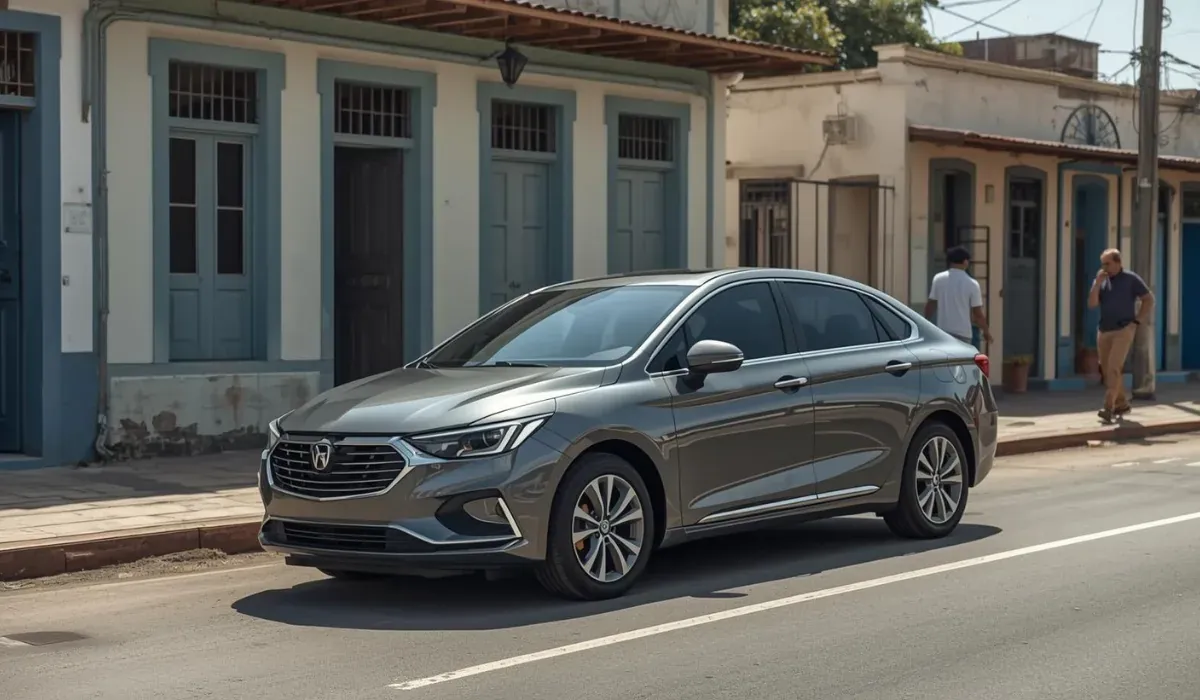
El Salvador in 2026 is having a major moment. After years of being overlooked, this compact Central American nation is emerging as a top-tier travel destination, attracting surfers, digital nomads, and adventure travelers from around the world. With new airline routes, modernized infrastructure, and a dramatically improved security landscape, there has never been a better time to visit.
However, having a fantastic trip to El Salvador hinges on one critical factor: understanding how to get around El Salvador efficiently and safely. The country is small—you can travel from volcanic mountains to Pacific beaches in under an hour—but the transportation landscape is unique. From colorful “chicken buses” to private shuttles and rental cars, your options are varied. This guide breaks down everything you need to know to navigate the country like a pro in 2026.
Getting Around El Salvador: What You Need to Know First
Before we dive into the nitty-gritty, it helps to understand the country’s transportation philosophy. El Salvador has no passenger railways, so you will be traveling by road. The good news? Distances are short. The challenging part? Infrastructure varies wildly, from pristine highways to rugged, unpaved paths leading to hidden beaches.
You have five primary options to choose from: public buses, ride-hailing apps (like Uber), taxis, private drivers/shuttles, and rental cars. The “best” choice isn't one-size-fits-all; it depends entirely on your travel style, budget, and itinerary.
For the Ultra-Budget Traveler: Buses are your friend.
For the City Dweller: Uber works perfectly in San Salvador.
For the Beach Bum Heading to La Libertad: A direct shuttle is stress-free.
For the Explorer (Volcanoes & Hidden Gems): Renting a car offers the ultimate freedom.
Pro Tip: If you are looking for a flexible, stress-free way to move around the country without relying on public schedules, platforms like Carvi make it easy to compare and rent a car in El Salvador in just a few clicks.
Public Transportation in El Salvador (Buses & Microbuses)
If you want to travel like a local and spend very little money, the bus system is your only option. This network is comprehensive and reaches almost every corner of the country.
How It Works
The backbone of the system is the iconic “chicken bus.” These are retired US school buses repainted in vibrant, rainbow colors. They are loud, bumpy, and full of character. For shorter urban routes or slightly longer inter-city trips, you will also find microbuses (smaller vans).
Cost: This is the cheapest way to travel. Local urban buses cost around $0.25 to $0.50. Longer trips between cities like San Salvador and Santa Ana might cost $2.00 to $3.00.
Routes & Schedules: Do not expect a precise digital timetable. Buses run frequently from roughly 5:00 AM to 7:00 PM. After dark, services dry up, and safety decreases. You generally just show up at a terminal or a known stop (like the side of the road) and wave one down.
The Reality Check (Safety & Comfort)
While authentic, this option is not for everyone.
Comfort: You will likely be packed in tightly with locals, their groceries, and possibly live poultry. Air conditioning is rare unless you pay a little extra for a “directo” or “ejecutivo” bus (modern coaches linking major cities).
Safety: This is where you need to be cautious. Petty theft (pickpocketing and bag-snatching) is common on crowded public transport, especially around terminals. Because of this risk and the lack of fixed schedules, most travel advisories recommend tourists avoid public buses for long-distance travel.
The Verdict: Use buses for a short, fun experience during daylight hours (e.g., a 20-minute hop between beach towns). For long distances or travel with luggage, skip the chicken bus.
👉 While buses are the most affordable option, many travelers prefer more comfort and flexibility. If you value your time and peace of mind, consider renting a car with Carvi.
Uber, Taxis and Ride-Sharing Apps
When you land in San Salvador or need to navigate the capital, you will likely turn to ride-hailing apps or taxis. The landscape here is evolving, especially with new regulations in 2026.
Uber in El Salvador
Uber operates reliably in urban areas, particularly in San Salvador and Santa Ana. It is generally safer than hailing a random taxi off the street because the trip is tracked, and payment is handled digitally.
Availability: Excellent in the capital and airport. Almost non-existent in rural beach areas like El Tunco or El Zonte.
Cost: A trip across San Salvador might cost $3–$8. From the airport to the city center, expect $20–$25.
2026 Update: The San Salvador Historical Center has designated official pick-up/drop-off points for Uber to ease traffic congestion. You can see these locations on apps like Google Maps or Waze.
Taxis (Yellow Cabs)
Official taxis are yellow. However, they operate differently than in the US or Europe.
Negotiation is Key: There are no meters. You must agree on a price before you get in the car.
Safety: Do not hail a taxi on the street if you can avoid it. It is much safer to have your hotel or restaurant call a licensed taxi for you.
Cost: A short ride within the same neighborhood might cost $5–$7. A trip across the city could be $10–$15.
Uber works well for navigating cities like San Salvador, but for exploring beaches, volcanoes, and remote areas, the coverage drops significantly. A rental car through Carvi is often a better solution for a full-country itinerary.
Renting a Car in El Salvador
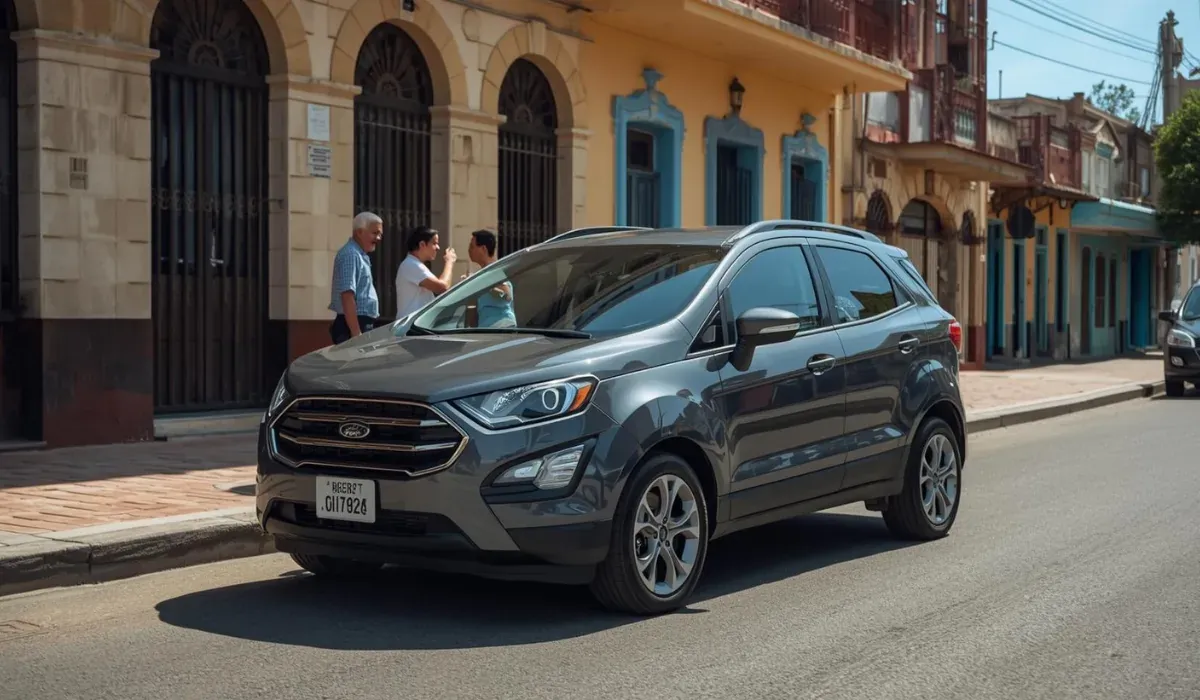
For 2026, renting a car is arguably the best way for adventurous travelers to see El Salvador. The country is small enough to drive from one end to the other in a few hours, and having your own wheels allows you to chase waves or sunsets on a whim.
Why Rent a Car?
Freedom. You can stop at a roadside pupuseria, drive up to the crater of Cerro Verde, or zip from San Salvador to the surf beaches of La Libertad in just 45 minutes. Plus, with a car, you avoid the hassle of lugging surfboards or luggage onto crowded buses.
Road Conditions & Driving Experience
Highways: Major routes (like the CA-1 and CA-2) are generally in good condition.
Local Roads: Streets in towns and roads to remote beaches (like Playa El Cuco) can be rough, potholed, or unpaved. A standard car works for main roads, but an SUV or 4x4 is recommended if you plan to explore the wild coast or mountainous coffee regions.
The Golden Rule: Do not drive at night. This cannot be stressed enough. Hazards include unmarked speed bumps, stray animals, poor lighting, and an increased risk of road crime.
Costs & Fuel (2026 Prices)
Rental Cost: Expect to pay between $40 and $60 per day for a compact car with basic insurance. Prices spike during Semana Santa (Easter) and Christmas.
Fuel: Gas prices are similar to the US, roughly $4.00–$5.00 per gallon.
Parking: Finding parking has gotten easier. The San Salvador Historical Center alone now has 3,500 to 4,000 parking spots, and you can locate them easily on Waze.
Requirements
You need a valid driver’s license from your home country. An International Driver’s Permit (IDP) is recommended but not strictly required by most agencies if your license is in English or Spanish.
🚗 Skip the agency lines and hidden fees. Book your rental car here
Trust Reinforcement: Platforms like Carvi connect travelers directly with local car owners and rental options, making it easier and often more affordable than traditional agencies, with no surprise deposits.
Private Drivers and Shuttle Services
If you don’t want to drive yourself but still want comfort and safety, private drivers and shuttles are the sweet spot. This is the go-to option for families, digital nomads working remotely, and surfers.
Airport Transfers (SAL to Beaches)
The most popular route is from El Salvador International Airport (SAL) to the Surf City beaches (La Libertad, El Tunco, El Zonte).
Surf City Shuttle: A private vehicle for up to 3 people costs about $55 and takes roughly 40 minutes.
Shared Shuttles: If you are traveling solo, shared shuttles to the city center cost around $21 per person.
Private Drivers for Tours
Hiring a driver for the day is surprisingly affordable. This is ideal for visiting the Ruta de las Flores (a chain of picturesque colonial towns) or hiking the Santa Ana Volcano.
Cost: A full-day private tour with a driver (8 hours) usually ranges from $100 to $150, depending on the distance.
Digital Nomads: For those staying long-term (weeks or months), hiring a dedicated driver for secure, organized mobility is a growing trend in 2026. It removes the friction of daily logistics and ensures you arrive on time for work.
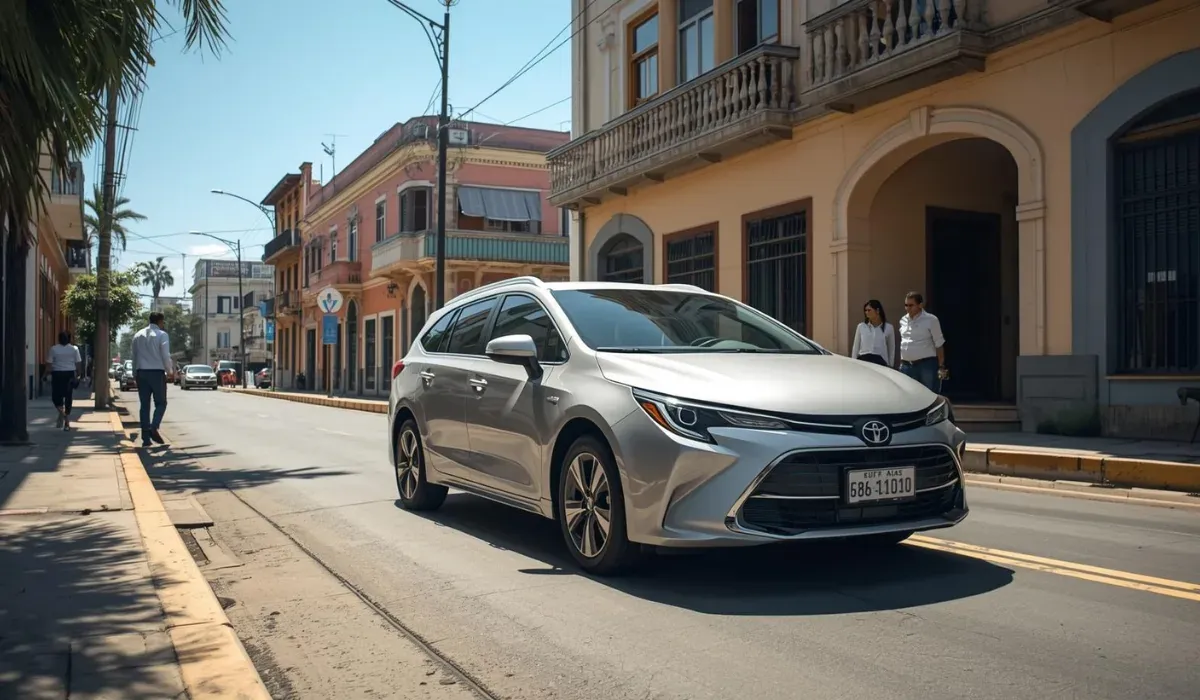
👉If you prefer not to drive but don't want a rigid bus schedule, Carvi can also help you find flexible transportation alternatives depending on your itinerary.
Getting Around from El Salvador International Airport (SAL)
Your journey begins at the modernized Monseñor Óscar Arnulfo Romero International Airport (SAL) . With new routes from airlines like Avianca (from San Francisco) and Frontier (from Houston), getting here is easier than ever.
Here are your options once you land:
Option | Cost (Est.) | Time to San Salvador | Best For |
|---|---|---|---|
Official Taxi | $30 - $40 | 45-60 min | Groups who didn't pre-book |
Uber | $20 - $25 | 45-60 min | Solo travelers with data |
Private Transfer | $30 - $55 | 40-60 min | Peace of mind / Surfers |
Rental Car Pickup | $40+/day + gas | Flexible | Explorers |
Safety Note: Be cautious of unofficial drivers soliciting inside the terminal. Always pre-book or use the official taxi kiosk.
Best Transportation Options by Travel Style
Not sure which option fits you? Here is the cheat sheet for how to get around El Salvador based on your travel style:
🎒 Budget Travelers
Best Bet: Public Buses
Daily Transport Cost: ~$5
Reality: You will save money but lose time and comfort. Do not do this if you have a tight schedule.
🛋️ Comfort-Focused Travelers
Best Bet: Uber + Private Shuttles
Daily Transport Cost: ~$30-$50
Reality: Stress-free airport pickups and reliable city rides. You won't see the remote volcanoes easily, but you will be safe and cool.
🏄 Adventure Travelers
Best Bet: Rental Car (4x4)
Daily Transport Cost: ~$60
Reality: Maximum freedom. Chase the swell, find hidden waterfalls, and eat at local spots off the main highway.
💻 Digital Nomads / Long Stays
Best Bet: Rental Car or Dedicated Driver
Weekly Budget: $250 - $500
Reality: You need mobility for coworking spaces, gyms, and exploring on weekends. A monthly rental or driver retainer is an investment in your productivity.
👉 For maximum freedom and flexibility, especially if you are staying for a week or more, renting a car with Carvi is often the best option for exploring El Salvador.
Safety Tips for Getting Around El Salvador
While security has drastically improved in El Salvador (with a State of Exception reducing gang crime), you still need to exercise caution, particularly regarding transportation.
Avoid Night Travel: Plan to arrive at the airport or move between cities during daylight hours. Road risk increases significantly after dark.
Keep Valuables Hidden: Petty theft (pickpocketing, bag snatching) occurs at bus terminals, crowded markets, and on public transport. Keep your backpack in front of you.
Use Trusted Apps: Stick to Uber in cities. If you must take a taxi, ask your hotel to call one for you rather than hailing one on the street.
Stay Aware at ATMs: Only withdraw money from ATMs inside shopping malls, hotels, or banks during the day.
Know the Emergency Numbers: Save these before you arrive:
General Emergencies: 911
Red Cross: +503 2222 5155
👉 Using trusted platforms like Carvi for rentals helps ensure you are dealing with vetted vehicles and owners, contributing to a safer and more reliable transportation experience.
Final Tips for Getting Around El Salvador
Essential Apps: Waze is more popular than Google Maps for driving in El Salvador (locals swear by its real-time police and hazard alerts). Uber for cities. WhatsApp for communicating with shuttle drivers.
Cash is King: While card payments are accepted in major hotels and malls, you need cash ($1s, $5s, $10s) for buses, small taxis, and street food. The country uses the US Dollar.
Common Mistakes:
Assuming Uber works everywhere. It doesn’t on the coast.
Not negotiating the taxi price. You will be overcharged.
Driving a sedan down a dirt road. Rent the 4x4 if you leave the highway.
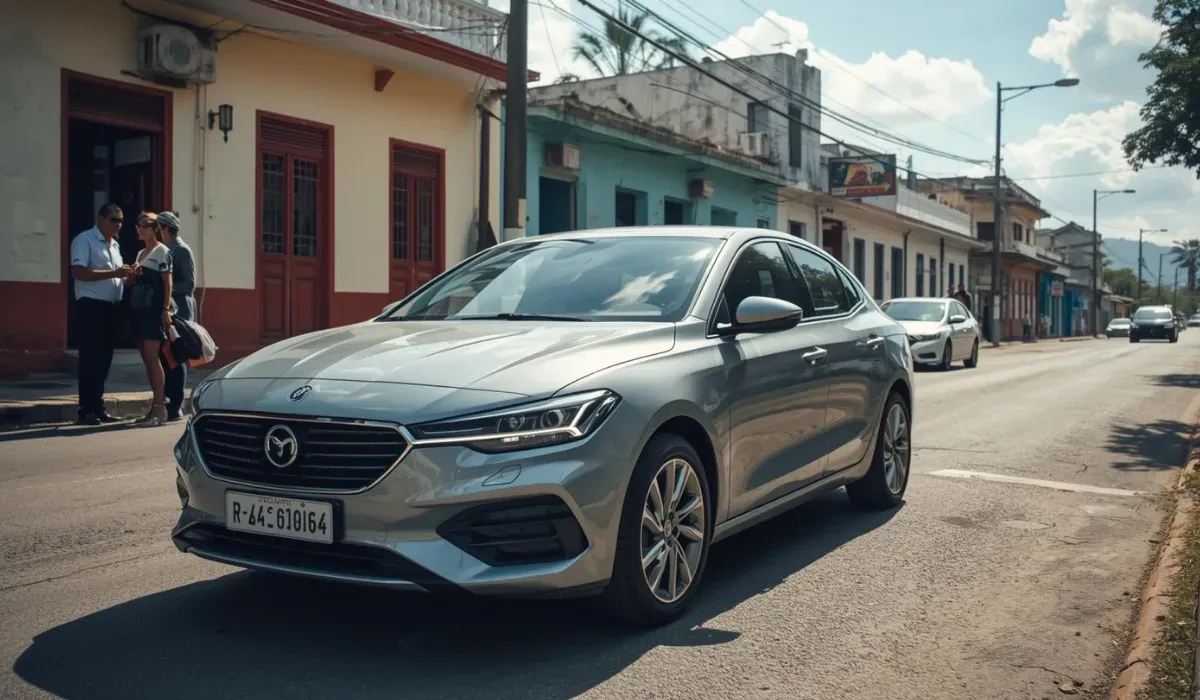
For a smooth and flexible travel experience in El Salvador, having a reliable vehicle gives you the keys to the kingdom—allowing you to discover the "Pulgarcito de América" (America's Little Gem) on your own terms.
Escrito por