
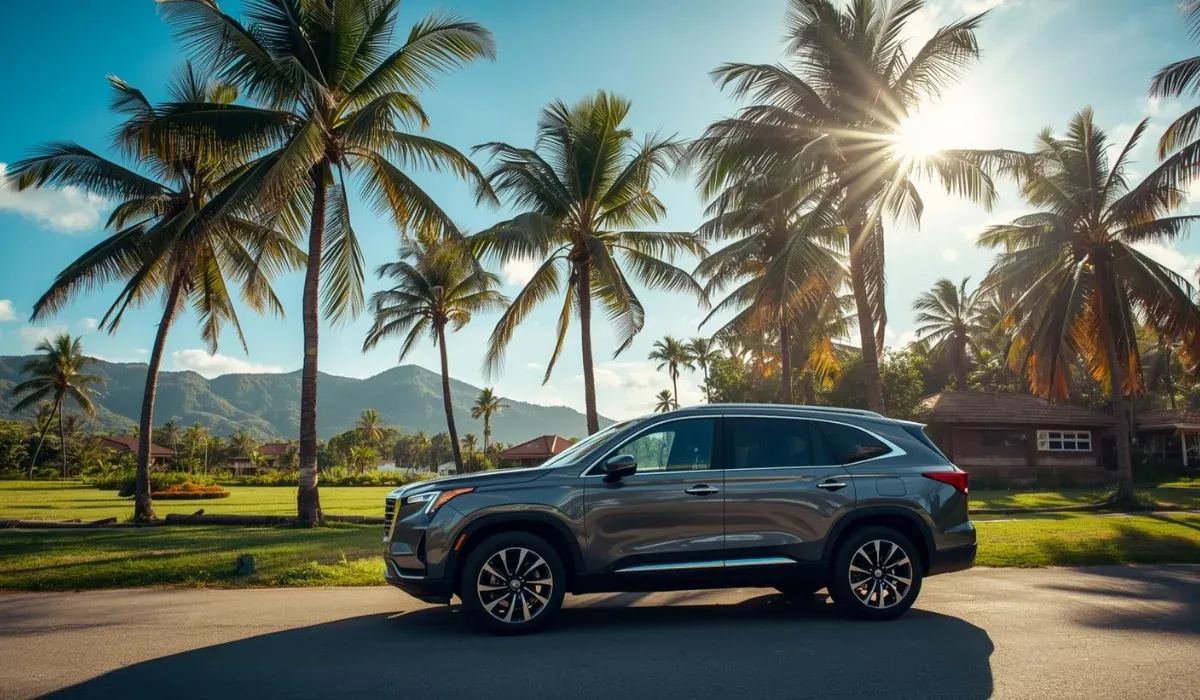
El Salvador is shaking off its turbulent past and fast becoming Central America’s most exciting new destination for independent travelers. In 2026, the U.S. State Department upgraded the country to a “Level 1” travel advisory — its safest rating, on par with nations like Greece and Finland — while the iconic Ruta de las Flores was named by Intrepid Travel as one of the top offbeat adventures to watch this year.
This El Salvador road trip guide is designed to help you experience it all safely and on your own terms. Whether you have five days or ten, driving yourself is by far the best way to unlock the country’s volcanoes, colonial towns, and Pacific beaches. Below you’ll find detailed itineraries, real costs for 2026, practical safety advice, and everything you need to know about renting a car — including how modern platforms like Carvi are making the process easier than ever.
Why Do a Road Trip in El Salvador?
At just 21,041 square kilometers, El Salvador is smaller than the U.S. state of Massachusetts. You can drive from the Guatemalan border in the west to the Gulf of Fonseca in the east in about six hours. This compact size means you can experience volcanoes, colonial towns, and the Pacific coast all in a single week without spending entire days behind the wheel.
Compared to relying on public transportation — which can be unreliable and, according to government travel advisories, best avoided for safety reasons — a rental car gives you complete flexibility. You can stop for coffee at a mountain viewpoint, chase a sunset along the coast, or spontaneously explore a waterfall you spot from the road.
El Salvador Road Trip Itinerary (5, 7 & 10 Days)
5-Day Itinerary: Salvadoran Essence (Quick Highlights)
Days 1–2: Ruta de las Flores (overnight in Juayúa or Concepción de Ataco)
Day 3: Ruta de los Volcanes — ascend Santa Ana Volcano or visit Cerro Verde and Lake Coatepeque, then transfer to the coast
Days 4–5: El Tunco / La Libertad coast — surf, relax, and fly home from SAL
7-Day Itinerary: Balanced Experience
Days 1–2: San Salvador (historic center + day trip to Joya de Cerén UNESCO site)
Days 3–4: Ruta de las Flores — all five towns (Nahuizalco, Salcoatitán, Juayúa, Apaneca, Concepción de Ataco)
Day 5: Santa Ana Volcano hike + afternoon at Lake Coatepeque
Days 6–7: El Tunco / Pacific coast beaches
10-Day Itinerary: Complete Route
Days 1–2: Arrive at SAL → Suchitoto (colonial charm, indigo workshops)
Days 3–4: Santa Ana — volcano hike, Lake Coatepeque, Tazumal ruins
Days 5–7: Ruta de las Flores — deep dive into all five towns
Day 8: Transfer to La Libertad / El Tunco
Days 9–10: Beach time and return to SAL for departure
A circular route starting and ending at San Salvador International Airport (SAL) minimizes backtracking and maximizes time at each destination.
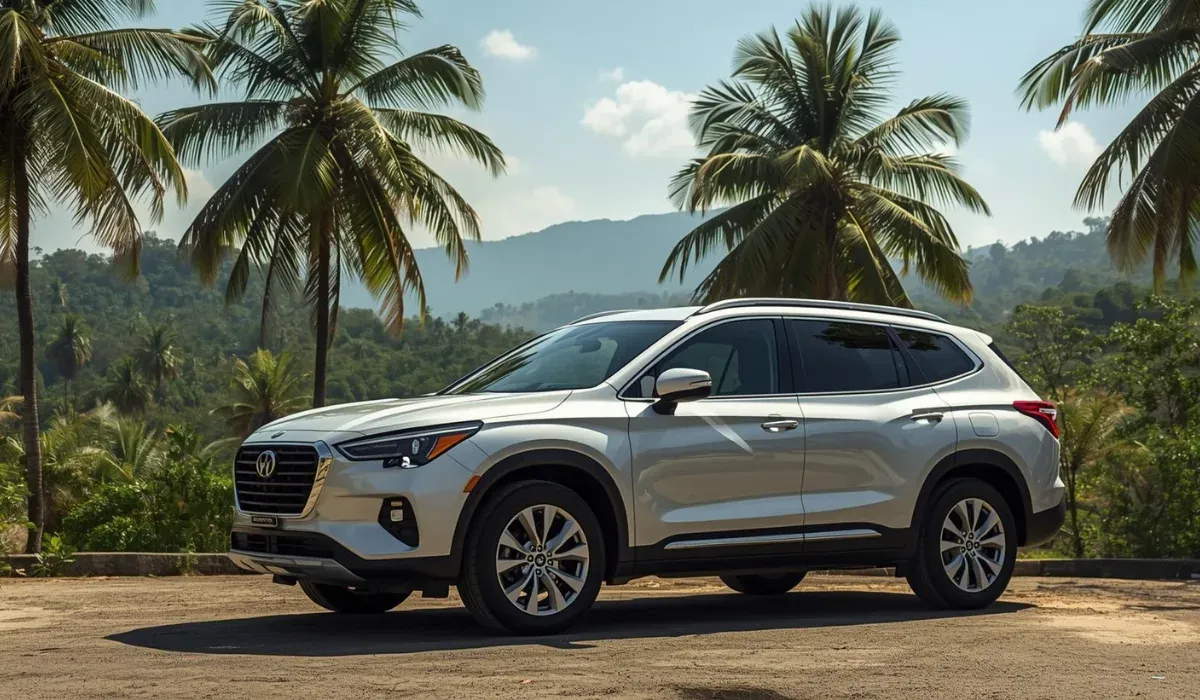
Best Places to Visit on an El Salvador Road Trip
Ruta de las Flores
The crown jewel of any El Salvador road trip guide, this 35-kilometer scenic highway winds through the western highlands between Sonsonate and Ahuachapán, connecting five beautiful colonial towns. The route earned its name from the wildflowers that blanket the hillsides from November through February. Here’s what you’ll find in each town:
Town | Must-Do Experience |
|---|---|
Juayúa | Weekend food festival — local chefs dish up everything from pupusas to global cuisine; gateway to the 7 Waterfalls hike (6 hours, guide required ~$15/person) |
Apaneca | Highest-altitude town (~1,450m) — heart of coffee country with canopy tours, buggy rentals, and visits to Laguna Verde |
Concepción de Ataco | Vibrant street murals, textile workshops (watch artisans at looms), Mirador Cruz del Cielo for sunset views |
Nahuizalco | Most authentic and least touristy — unique nighttime market, wicker workshops, women in traditional Pipil dress |
Salcoatitán | Smallest town — 350-year-old Ceiba tree (sacred Maya symbol), perfect for a slow coffee break |
Santa Ana Volcano & Lake Coatepeque
Hike El Salvador’s highest volcano (2,381 meters) for sweeping views of the turquoise crater lake and Pacific coast. The dry season (November–April) offers the clearest visibility for summit views. After descending, cool off at Lake Coatepeque — a massive crater lake with waterfront restaurants and kayak rentals.
Suchitoto
This colonial gem on Lake Suchitlán is the country’s artistic heart. It’s famous for indigo workshops where you can learn about traditional natural dyeing techniques, plus cobblestone streets, whitewashed buildings, and spectacular lake views.
El Tunco & the Pacific Coast
The surfer’s hub of El Tunco offers consistent waves, a lively nightlife, and relaxed beach vibes. Just west, El Zonte has a more laid-back atmosphere. The La Libertad coastline is known for dramatic sunsets and fresh seafood served from roadside stands.
Driving in El Salvador (What You Need to Know)
Road Conditions and Infrastructure
Main highways — including the Pan-American Highway (CA-1) and the Coastal Highway (CA-2) — are generally paved and well-maintained. However, roads to remote beaches or rural villages can be rough, and a 4×4 is recommended for accessing the most secluded spots. A major new project is underway in 2026: the Apopa bypass, which will link the Troncal del Norte with the Pan-American Highway, significantly reducing congestion for travelers heading to northern regions.
Driving Culture and What to Expect
Driving in El Salvador requires alertness and defensive habits. Speed bumps (tumulos) appear suddenly, often unmarked, especially near towns. Lane discipline can be looser than what North American or European drivers are used to, and motorcycles are everywhere — there are approximately 600,000 motos on the road alongside over 2 million other vehicles.
Safety Warning: Accident Statistics
Road safety is a serious concern in 2026. Between January 1 and February 18, 2026, El Salvador recorded 3,245 traffic accidents with over 2,000 injuries and 100 fatalities in just the first month of the year. The Vice Minister of Transport, Nelson Reyes, stated that the vast majority of these accidents were completely avoidable and attributed them primarily to driver distraction (especially mobile phone use), lane invasions, and excessive speed. His warning is blunt: “Losing four seconds looking at a message can make the difference between life and death.”
Key Driving Tips for 2026
Never drive after drinking alcohol. El Salvador enforces a zero-tolerance policy.
Avoid driving at night. Crime risk increases after dark, and unlit roads, stray animals, and drunk drivers make nighttime travel genuinely dangerous. Plan to arrive at your destination before sunset.
Keep doors locked and windows up at all times, especially in urban areas and at traffic lights.
Don’t leave valuables visible in parked cars — petty theft is common around tourist areas.
Follow speed limits. On national highways, light vehicles are limited to 60 km/h, with stricter enforcement beginning in 2026.
Renting a Car in El Salvador
Traditional Rental Agencies
Major international brands like Enterprise, Budget, and Alamo operate in El Salvador, with offices at the international airport (SAL) and in San Salvador. Typical requirements include a valid driver‘s license (an International Driving Permit is recommended if your license isn’t in English or the Latin alphabet), a passport, and a credit card in the renter‘s name to block a deposit — often $1,000 USD or more.
Modern Alternative: Carvi (Peer-to-Peer)
In 2026, platforms like Carvi are redefining how travelers rent cars in El Salvador. Operating as the “Airbnb of cars,” Carvi connects travelers directly with local vehicle owners through a 100% digital platform. The entire booking process — search, reserve, pay, and manage documents — takes about three minutes.
Feature | Carvi | Traditional Agencies |
|---|---|---|
Booking process | 100% digital (~3 min) | Hybrid/in-person, slower |
Deposit | No large deposit required | $1,000+ blocked on credit card |
Insurance | Basic coverage included in booking | Purchased separately at desk |
Requirements | Valid license + passport | License + passport + credit card in driver's name |
Price transparency | All-inclusive, no surprises | Base price + add-ons |
Delivery | Flexible (airport, hotel, Airbnb) | Fixed office hours |
Users consistently highlight Carvi’s ease of use, price transparency, and the comfort of not paying a large deposit. Some note limited vehicle availability during peak season, so booking ahead is wise.
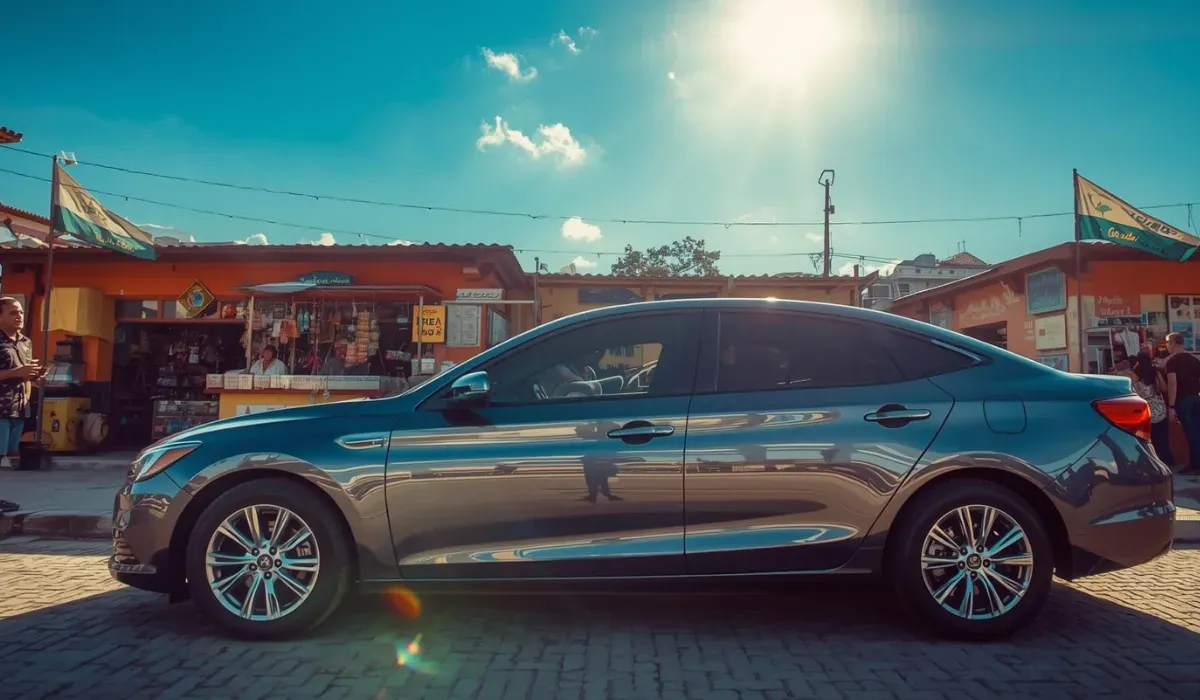
Pro Tip: If you‘re flying into SAL, booking through Carvi means you can have your vehicle delivered directly to the airport. The price you see online is the price you pay, with insurance included and no large deposit tying up your credit card.
Costs of a Road Trip in El Salvador (2026)
El Salvador remains one of Central America’s most affordable destinations. According to data from BudgetYourTrip, the average daily cost for a mid-range traveler is around $48 per person per day. Budget travelers can get by on as little as $19 per day, while luxury travelers might spend $119 daily.
Here’s a realistic daily breakdown for a self-drive road trip:
Expense | Budget | Mid-Range |
|---|---|---|
Accommodation | $10–$25/night | $30–$60/night |
Meals | $10–$15/day | $20–$30/day |
Fuel | $15–$25/day | $15–$25/day |
Activities / misc | $5–$10/day | $10–$20/day |
Total per person | $40–$75/day | $75–$135/day |
A one-week trip for two people averages $672 (excluding flights and rental car), while a two-week trip averages $1,344. For reference, a combined flight and hotel package to El Salvador averages $530 per person, making it one of the most affordable international trips in 2026.
Entrance fees to national parks and volcanoes range from $3–$10 for foreign tourists.
Best Time to Do a Road Trip in El Salvador
Dry Season (November–April): This is hands-down the best time for a road trip. Clear skies, warm temperatures, and minimal rain create ideal conditions for hiking volcanoes, exploring towns, and driving on unpaved roads. Surf conditions are also at their peak, with consistent swells along the Pacific coast. February is particularly excellent for road-tripping the Ruta de las Flores, with cool highland nights and dry, sunny days perfect for wandering between villages.
Rainy Season (May–October): The landscape turns lush and green, tourist crowds thin out, and accommodation prices drop. However, afternoon downpours can turn unpaved roads into slippery mud, and remote areas may become temporarily inaccessible. If you travel during this time, start your drives early and stick to main highways.
Peak holiday periods (December–January, Easter Week/Semana Santa) see increased domestic travel, especially to coastal areas. Book accommodations well in advance and expect heavier traffic.
Practical Travel Tips for Your Road Trip
Navigation Apps
Waze is the most widely used navigation app in El Salvador and is preferred by locals for its real-time traffic and police checkpoint alerts. Many experienced travelers warn that Google Maps sometimes routes you down impassable roads or trails only suitable for walking. Use Waze as your primary driver, and keep Google Maps or Maps.me with offline maps as a backup.
SIM Cards and Internet Access
Tigo and Claro are the main providers. SIM cards with prepaid data plans can be purchased at the airport or in any city for around $10–15. Mobile coverage is good in most towns and along major highways but can be spotty in remote mountain areas.
Packing Essentials for a Road Trip
A valid driver‘s license (IDP recommended if license isn’t in English/Latin alphabet)
Physical and digital copies of passport and rental agreement
Light layers (highland evenings are cool, especially in Apaneca and Santa Ana)
Sunscreen and insect repellent (essential year-round)
Reusable water bottle — tap water isn‘t safe to drink
A USB car charger and phone mount
Cash in small denominations (many smaller towns and markets don’t accept cards)
Language Tips
While you‘ll find some English spoken in tourist hubs like El Tunco and better hotels, Spanish is essential in smaller towns and rural areas. A few key phrases go a long way: ¿Cuánto cuesta? (How much does it cost?), ¿Dónde está el baño? (Where is the bathroom?), and ¿Puedo estacionar aquí? (Can I park here?).
Alternative Ways to Travel (Without a Car)
Option | Pros | Cons |
|---|---|---|
Public buses | Very cheap ($0.50–$2 per trip) | Avoided by most foreign advisories; petty theft risk; crowded |
Shuttles / private drivers | Safer than buses; door-to-door service | Less flexibility; costs add up ($30–$60 per transfer) |
Guided tours | Hassle-free; local expertise | Limited to pre-set routes; more expensive |
Rental car | Complete freedom; cost-effective for groups | Requires active navigation and defensive driving |
For any El Salvador road trip guide, having your own vehicle remains the most rewarding way to explore — you can chase a waterfall, linger over coffee, or change plans entirely without negotiating with a driver.
El Salvador Road Trip Map
[Suggested image: A map of El Salvador highlighting the 5-day, 7-day, and 10-day routes with key stops marked — Ruta de las Flores (western highlands), Santa Ana Volcano/Lake Coatepeque, Suchitoto (north of San Salvador), and the Pacific coast (El Tunco/La Libertad).]
For an interactive route, download offline maps via Maps.me before your trip. The Pan-American Highway (CA-1) runs east–west across the country, making it the backbone for most road trip itineraries.
FAQs About El Salvador Road Trips
Is El Salvador safe for tourists in 2026?
Yes, with normal precautions. The U.S. State Department upgraded El Salvador to Level 1 (“exercise normal precautions”) in 2026 — the same rating as France, Greece, and Finland. The country‘s security situation has fundamentally improved, with gang activity and violent crime decreasing dramatically in recent years. However, as with any destination, remain aware of your surroundings, avoid isolated areas at night, and follow local advice.
Do you need a 4×4 for an El Salvador road trip?
Not for the main routes (highways and paved roads to major towns). However, a 4×4 is recommended if you plan to explore remote beaches, mountain villages, or unpaved back roads.
How many days do you need for a road trip in El Salvador?
A minimum of 5 days covers the highlights. One week (7 days) gives you a well-rounded experience — volcanoes, colonial towns, and coast. Ten days allows you to explore deeper, including Suchitoto, Joya de Cerén, and additional hidden gems.
Is it easy to drive across the country?
Yes — the compact size means no drive exceeds 3–4 hours. Major highways are paved, and signage is generally good. The main challenge is adjusting to local driving habits, speed bumps, and staying alert.
What are the entry requirements for El Salvador?
Most Western nationalities (US, Canada, EU, Australia, UK) can enter visa-free for up to 90 days under the CA-4 agreement. Upon arrival, you‘ll need to purchase a tourist card for approximately $12 USD, valid for up to 90 days of travel. Your passport must be valid for at least six months from your entry date.
Do I need an International Driving Permit?
An IDP is recommended if your home license isn’t in English or the Latin alphabet. While many rental agencies accept foreign licenses, having an IDP provides additional clarity if you are stopped by police.
Final Tips for Planning Your Road Trip
Start your drives early (by 8 AM) to maximize daylight and avoid afternoon rain during wet season.
Fuel up in towns — gas stations become sparse in remote areas, especially along the Ruta de las Flores and near beaches.
Book accommodations in advance during peak season (December–February and Easter Week).
Download offline maps before you leave WiFi range — coverage is good but not 100% in mountains.
Keep digital and physical copies of your passport, driver‘s license, and rental agreement.
Trust your instincts. If a road looks too rough or a neighborhood feels off, turn around. Flexibility is the greatest advantage of having your own car.
Check your rental‘s insurance coverage before driving off. With Carvi, basic coverage is included in the booking price — no surprises at pickup.
Ready to Start Your Adventure?
Driving El Salvador’s highways and highlands is one of the most rewarding experiences in Central America. The country is smaller than you think, safer than its reputation suggests, and packed with more variety than you’d ever expect. From the flower-covered hills of the Ruta de las Flores to the crater lakes and surf breaks of the Pacific coast, every bend in the road reveals something new.
Skip the paperwork, avoid the massive deposits, and get on the road with a rental that fits your trip.
All prices and travel data are accurate as of April 2026. Double-check entry requirements and road conditions with official sources before departure.
Escrito por