

Planning a trip to El Salvador is exciting. Between the world-class surf breaks, towering volcanoes, and charming colonial towns like those along the Ruta de las Flores, there's a lot to see. But as you start mapping out your days, one big question pops up: do I need a car in El Salvador?
The honest answer is: it depends. Some travelers can easily get by without one, while for others, renting a car is the best decision they make. Your travel style, budget, and the places you want to visit will determine which path is right for you. This guide for 2026 breaks down everything you need to know, from the current state of public transport to the safest driving tips, so you can make the perfect choice for your adventure.
Do You Need a Car in El Salvador? Quick Answer
No, you don't always need a car. However, in 2026, renting a caris quickly becoming the preferred way to explore the country for those seeking flexibility. While it's possible to travel without one, especially if you stick to a few key spots, having your own wheels is the ultimate key to unlocking the country's full potential.
Your choice really comes down to two main factors:
Destinations: If your trip revolves around San Salvador and the popular surf beaches of La Libertad (like El Tunco), you can manage without a car.
Travel Style: If you want to spontaneously stop at a viewpoint, chase waterfalls, or visit the less-traveled "Wild East," a rental car is a game-changer.
El Salvador might be small, but its diverse geography—from cloud forests to Pacific coastlines—is best explored at your own pace.
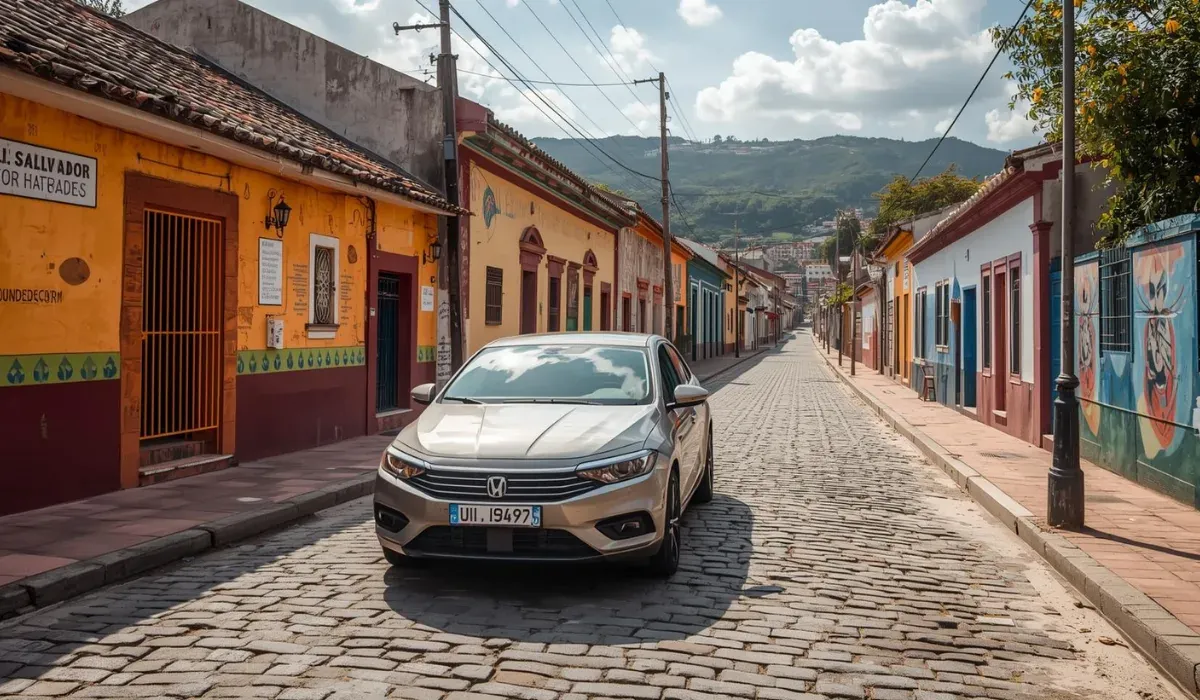
How to Get Around El Salvador Without a Car
If you decide against renting, here are your main options for getting around in 2026:
1. Public Buses
This is the cheapest way to travel, with fares as low as $0.25 for a short trip. However, the system faces a major crisis in 2026. More than 70% of buses in need of replacement cannot be renewed due to a lack of liquidity, and over 700 units are expected to be taken out of service this year alone. This means fewer buses, longer wait times, and more crowded conditions. Buses are an option for the ultra-budget traveler, but expect them to be slow and uncomfortable.
2. Uber and Taxis
Uber is widely available in San Salvador and major tourist areas. It's safe, air-conditioned, and offers fixed prices. A trip from the airport to downtown costs about $20–$25. For shorter trips in the city, expect to pay $3–$8. Traditional yellow taxis are also everywhere, but you must negotiate the price before getting in to avoid being overcharged.
3. Private Transfers and Tours
Many hotels and tour operators offer private shuttles. This is the most expensive alternative, but it offers door-to-door service without any hassle. For those who don't want to drive, organized tours are a great way to see sites like the Mayan ruins of Joya de Cerén or the Cerro Verde National Park.
Estimated Weekly Transport Budget (2026):
Budget (Bus only): $15–$25
Mid-Range (Mix of Bus & Uber): $50–$75
Max (Uber/Taxi only): $100–$150
Car Rental: $400–$500 (including rental, insurance, and gas)
When You DON'T Need a Car in El Salvador
For certain types of trips, you can safely skip the rental car:
San Salvador Staycation: If you're only staying in the capital for business or a short city break, Uber is readily available and cheap.
Surf Towns Only: If your sole purpose is to surf in El Tunco or El Zonte, you don't need a car. These towns are small and walkable. You can take a direct shuttle from the airport.
Short Trips (2–4 days): For a long weekend, the cost of a rental (plus insurance and gas) might outweigh the convenience.
Organized Tours: If you prefer a structured itinerary with a guide, booking tours is stress-free, though you lose the freedom to change plans on a whim.
When Renting a Car Makes Your Trip Much Better
While you can travel without a car, there are many scenarios where renting one dramatically improves your experience. The current state of public transport in 2026 makes having your own wheels an even smarter choice for those who value their time.
Here is a quick decision guide:
Scenario | Do You Need a Car? | Why It Matters |
|---|---|---|
Exploring the Ruta de las Flores | Highly Recommended | The scenic route connecting 5 colonial villages is best enjoyed by stopping at roadside cafes and miradors at your own pace. |
Visiting Volcanoes & Lakes | Highly Recommended | Public transport doesn't reach the best miradors at Lake Coatepeque or the Cerro Verde National Park. |
"Wild East" Beaches | Highly Recommended | Reaching hidden gems like Las Tunas or Punta Mango requires a reliable vehicle to navigate rural roads. |
Traveling in a Group (3-4+) | Economical | Splitting a rental car is often cheaper than buying 3 or 4 individual bus or Uber tickets for long distances. |
One-Week+ Road Trip | Essential | To see multiple regions (mountains, coast, and city) in a short time, a car is the most efficient way to travel. |
Road trip flexibility: Want to catch the sunrise at El Zonte, grab lunch in Ataco, and watch the sunset at Lake Coatepeque? A car makes that possible in a single day.
A true feeling of freedom: The independence to change your plans on a whim and discover places not listed in guidebooks is priceless.
Best Way to Rent a Car in El Salvador (Easy & Online)
So, you've decided that driving is the way to go. Now, the question is how to rent. In 2026, you have two main choices: the traditional agency route or a modern digital platform.
Enter Carvi. Think of it as the "Airbnb of cars" for El Salvador. Carvi is a peer-to-peer (P2P) platform that directly connects travelers with local car owners, cutting out the middleman and the bureaucracy of a big agency.
Why are travelers in 2026 switching to Carvi?
100% Digital: You can search, compare, book, and pay for your car online in just 3 minutes, all from your smartphone.
No Hidden Deposits: Traditional agencies often block $300 to $500 (or even up to $3,000) on your credit card as a security deposit. Carvi eliminates this financial hurdle.
Insurance Included: Unlike traditional rentals that add $10–$30 per day for basic coverage, Carvi includes damage coverage insurance with every booking, covering up to $50,000.
Flexible Delivery: You coordinate directly with the host to pick up the car at the airport, your hotel, or an Airbnb, often outside of standard 9-to-5 business hours.
Price Transparency: The price you see online is the price you pay. No surprises at the counter.
Need a car for your trip? You can reserve the easiest option right here
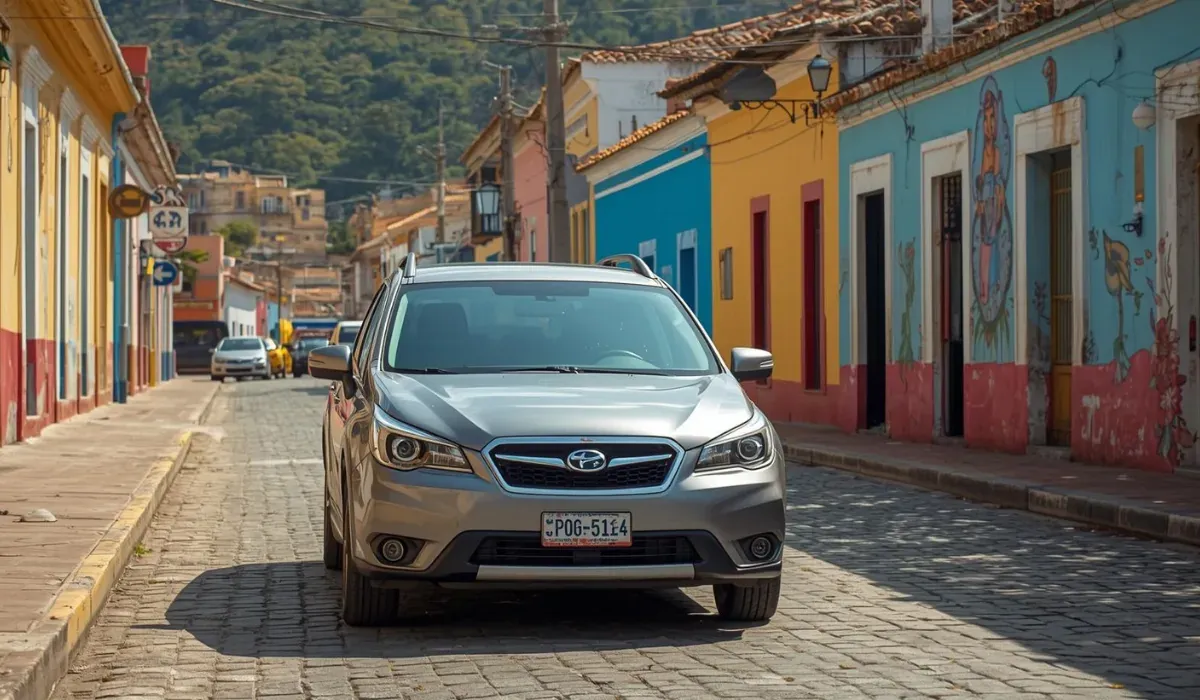
Why Travelers Are Using Carvi in El Salvador
The feedback from travelers using Carvi is clear: it solves the three biggest headaches of car rental.
No more bait-and-switch: You know exactly what you're paying for upfront. There are no last-minute add-ons for mandatory insurance that double the price of your "cheap" deal.
Less financial stress: Your credit card isn't tied up with a massive hold for the duration of your trip, leaving your funds free for hotels, food, and excursions.
A more human experience: Dealing directly with a car owner often leads to a more personalized and friendly transaction than waiting in line at a busy airport counter.
Is It Safe to Drive in El Salvador?
Safety is the number one concern for most travelers. The good news is that driving in El Salvador is safe and very doable for tourists if you follow a few common-sense rules.
Road Conditions:
Main Highways (CA-1, CA-2): These are generally in good to excellent condition. The government has invested $220 million in 2026 to maintain strategic roads.
Secondary & Rural Roads: Roads can be narrow, winding, and occasionally have potholes. An SUV is recommended if you plan to venture far off the beaten path.
Túmulos (Speed Bumps): These large speed bumps are everywhere, especially when entering and leaving towns. Slow down for them. They can be aggressive and damage a car if taken at speed.
Driving Tips for 2026:
Drive Defensively: Local driving can be aggressive. Stay alert, use your mirrors, and obey speed limits.
Use Waze or Google Maps: GPS is your best friend. Waze is extremely popular and accurate in El Salvador.
Avoid Night Driving: Street lighting can be scarce outside of major cities. It's best to complete your long drives during daylight hours.
Document Everything: Before driving off, take high-quality photos and videos of the car's interior and exterior to avoid any disputes about pre-existing damage.
Lock Your Doors: Keep your doors locked and valuables (bags, phones, cameras) out of sight when driving through cities.
Emergency Numbers: Save 911 (general emergencies) on your phone.
Car vs No Car in El Salvador: Final Decision
Still unsure? Here is a simple cheat sheet to help you decide.
Choose NO CAR if: You are staying in one place (a resort or a hostel in El Tunco), your trip is 3 days or less, or you have a very tight budget and don't mind the discomfort of public buses.
CHOOSE A CAR if: You want to see multiple destinations (like volcanoes, lakes, and beaches) in one trip, you are traveling with family or a group, you value your time and flexibility, or you want to explore beyond the standard "gringo trail."
The core of your decision is freedom. Public transport limits you; a rental car liberates you.
👉 If you’ve decided to rent, click here to see your options and book your car online
Cost of Renting a Car in El Salvador
Understanding the costs helps you budget accurately. Here is the breakdown for 2026.
Average Daily Rental Rates:
Economy/Compact Car (Kia Picanto, Hyundai i10): $28 – $50 per day
SUV (Mitsubishi Outlander, Nissan Rogue): $45 – $90 per day
Price Trends for 2026:
Cheapest Months: February is often the cheapest month for national rentals, while September is surprisingly affordable in San Salvador.
Most Expensive Months: December and April (Holy Week/Semana Santa) see prices spike to $100+ per day due to high demand.
Booking Tip: To get the best deal, book about 43 days in advance. Last-minute reservations can cost up to 137% more.
Hidden Costs to Watch Out For:
Insurance (at traditional agencies): This is the biggest "gotcha." An advertised $7/day car can jump to $40/day after adding mandatory insurance and fees. Carvi includes basic insurance in the upfront price.
Deposits: Traditional agencies require a credit card hold of $200–$500, which can climb to $3,000 if you decline their coverage. Carvi requires no deposit.
Fuel: Gasoline costs about $4–$5 per gallon.
Airport Surcharges: Picking up at the airport (SAL) usually adds a 15–25% facility fee.
👉 Compare real prices with no hidden fees here
FAQs About Renting a Car in El Salvador
Do I need an international driver’s license?
No. A valid driver's license from your home country is accepted. However, if your license is not in English or Spanish, an International Driving Permit (IDP) can be helpful as a translation aid.
Is it better to rent a car or use Uber?
Uber is better for: Short trips within San Salvador or direct point-to-point travel (e.g., Airport → Hotel).
Car is better for: Multi-day trips, visiting several towns in one day (like the Ruta de las Flores), or traveling with heavy luggage.
Is driving in El Salvador safe for tourists?
Yes, generally speaking. Stick to the main highways (CA-1, CA-2), avoid driving after dark, and use Waze for navigation. Thousands of tourists drive safely in El Salvador every year.
Can I pick up the car at the airport?
Yes. You can pick up from traditional agencies (Avis, Budget, etc.) at the Monseñor Óscar Arnulfo Romero International Airport (SAL). Carvi also allows you to arrange a pickup at the airport directly with the car owner, often with more flexibility.
Is renting a car worth it for short trips?
For 2–3 days, probably not if you are staying in the city. For 5+ days, the freedom and time savings usually justify the cost.
Can I cross the border to Guatemala or Honduras?
Generally, no. Most rental contracts (including Carvi's standard policy) prohibit crossing international borders. Always check the specific terms of your rental agreement.
Conclusion
So, do I need a car in El Salvador? The answer is personal. No, it's not mandatory. You can survive on buses and Ubers. But if you truly want to feel the rhythm of this beautiful country—to stop for that perfect cup of coffee in the mountains or chase a secluded beach on a whim—then yes, a car is the best travel accessory you can bring.
For 2026, the smart traveler's choice is clear: skip the long lines, hidden fees, and hefty deposits of traditional agencies. Embrace the digital age and book your ride with Carvi. It’s the easiest, most transparent way to get the keys and hit the road to adventure.
Escrito por