
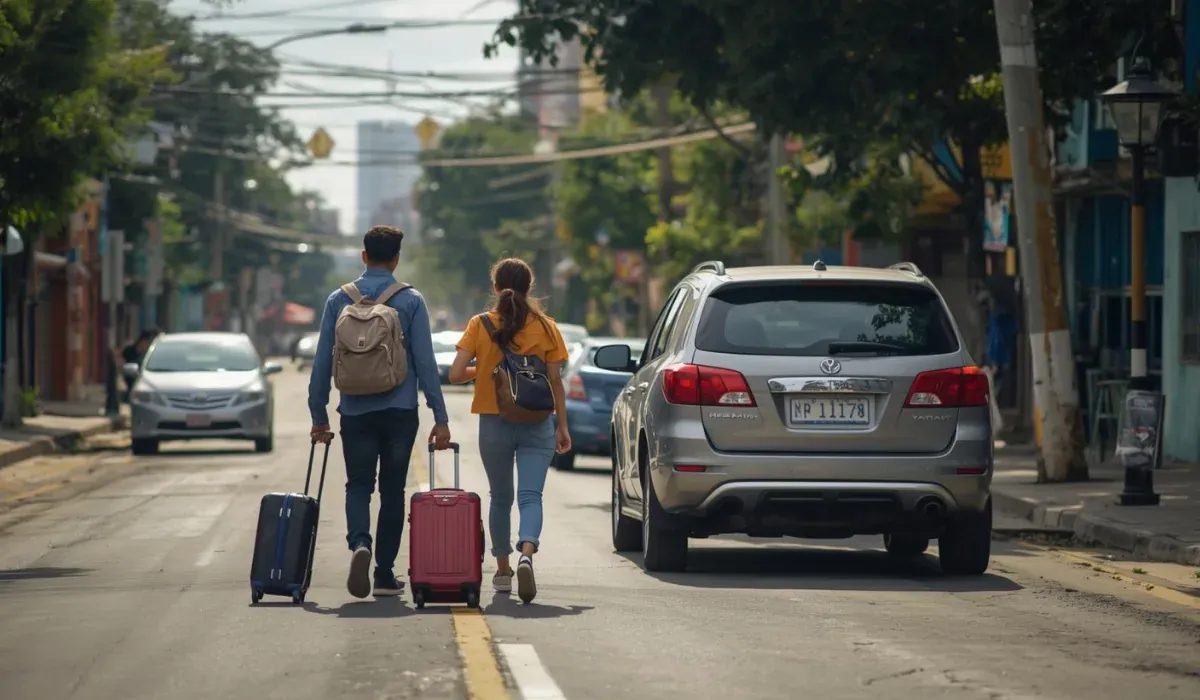
El Salvador might be small, but its dramatic volcanoes, world-class surf breaks, and charming colonial towns make it a traveler's dream. And here's the best part: visiting this Central American gem doesn't have to cost a fortune. In fact, El Salvador has been named one of the cheapest international destinations to fly to in 2026, with average round-trip flights hovering around $198 during the dry season.
Whether you're a backpacker counting every dollar or a savvy traveler looking to stretch your budget, this guide will show you exactly how to get around El Salvador without breaking the bank. You'll learn about every transportation option—from ultra-cheap public buses to car rentals—so you can choose the strategy that fits your travel style and budget.
What Is Actually the Cheapest Way to Travel in El Salvador?
The answer is simple: public buses.
With fares frozen by law until December 31, 2026, local buses are by far the most affordable way to explore El Salvador. The Legislative Assembly extended the Transitory Law for the Stabilization of Public Passenger Transport Fares, meaning you'll pay the same low prices all year long.
Standard urban bus fares range from $0.25 to $0.50, while longer trips across the country cost between $2 and $8. That's less than a cup of coffee for a cross-city journey.
When is the bus NOT the best option? Late at night (buses rarely run after 7 PM), if you're carrying expensive gear, or when you're short on time. Buses can be slow, crowded, and less comfortable than private options.

Transportation Options in El Salvador Compared by Price
Public Buses – The Most Economical Option
Price: $0.25–$0.50 for urban trips, $2–$8 for long distances
Advantages: Incredibly cheap, extensive coverage, authentic local experience
Disadvantages: Can be crowded, no fixed schedules, limited night service, basic comfort
More than 1.3 million Salvadorans rely on these buses daily, and the system reaches virtually every corner of the country.
Tourist Shuttles
Price: $3–$8 for short routes, $20–$25 for airport transfers, $50+ for long-distance shared shuttles
When they make sense: Airport arrivals, traveling in groups, or when you want door-to-door convenience without navigating local bus routes
Private shuttles from the airport to La Libertad beaches run about $55 per group (up to three travelers), offering a stress-free start to your trip.
Uber and Taxis
Uber X: $3–$8 for short urban trips; airport to downtown: ~$20–$25
Uber XL: $5–$12 for groups
Yellow taxis: $3–$5 for short trips, $10–$25 for inter-city travel (always negotiate the price before boarding)
Pros: Convenient, air-conditioned, safe (especially Uber with GPS tracking and 24/7 support)
Cons: Significantly more expensive than buses; surge pricing can add 40–100% during peak hours
Car Rental – The Balance Between Cost and Comfort
Price range: Economy cars from $11–$50/day, sedans $30–$50/day, SUVs $27–$80/day, pick-ups $60–$120/day
When it becomes cost-effective: Traveling with 3–4 people (splitting costs), visiting multiple destinations, or when your time is valuable
👉 Traditional rental agencies often require hefty deposits—sometimes $800 to $5,000 blocked on your credit card. That's where platforms like Carvi come in. Carvi works like an "Airbnb for cars," connecting travelers with verified local owners through a 100% digital process without abusive deposits. Insurance is included in every booking, with coverage ranging from $599 to $50,000.
Real Cost Comparison (From Cheapest to Most Expensive)
Transportation | Cost per person (San Salvador → La Libertad) | Best for |
|---|---|---|
Public Bus | $3 | Solo budget travelers |
Tourist Shuttle | $8–$15 | Groups wanting convenience |
Uber/Taxi | $20–$25 | Safety-conscious travelers |
Rental Car (shared by 4) | ~$8–$12 each + gas | Groups visiting multiple spots |
Rental Car (solo) | ~$35–$50 + gas | Maximum flexibility |
Examples of real routes:
San Salvador → Suchitoto: $2.50 by bus (60 minutes)
La Libertad → El Tunco: $1 by bus (20 minutes)
San Salvador → Santa Ana: $5–$10 by bus (1–3 hours)
How to Travel Cheap in El Salvador (Real Strategies)
Use local buses like a backpacker – They're safe during daylight hours and go everywhere
Avoid tourist shuttles for short hops – The price difference is massive
Travel during daylight – Buses run mainly from 5 AM to 7 PM
Combine transport modes – Take a bus to the city center, then Uber for the last mile
Keep exact change – Bus drivers rarely have change for large bills
Pack light – Crowded buses have limited luggage space
Popular Routes and the Cheapest Way to Travel Them
San Salvador to El Tunco
Option | Cost | Time |
|---|---|---|
Bus 102A (air-conditioned microbus) | $1.80 | ~1 hour |
Regular Bus 102 | ~$1.50 | ~1 hour+ |
Uber | $15–$25 | 40–50 min |
Rental Car (shared) | $8–$12 each | 40 min |
The 102A microbus is the sweet spot—air-conditioned, frequent, and only $1.80.
San Salvador to Santa Ana
Local buses cost $5–$10 and take 1–3 hours depending on traffic. The 205 bus runs roughly every 30 minutes from early morning.
Ruta de las Flores (Flower Route)
This scenic stretch of colonial towns (Juayúa, Ataco, Apaneca) is easily navigable by local buses costing $0.25 to $1 per hop. Buses run regularly at 15–20 minute intervals. For longer trips, Bus 287 connects La Libertad to Sonsonate twice daily (6 AM, 1:30 PM).
Bus vs. Car on the Ruta de las Flores:
Bus: Ultra-cheap ($5–$10 total for the whole route), authentic experience, but requires patience with schedules
Car: $35–$50/day, total freedom to stop at waterfalls and viewpoints, better for photographers and slow travelers
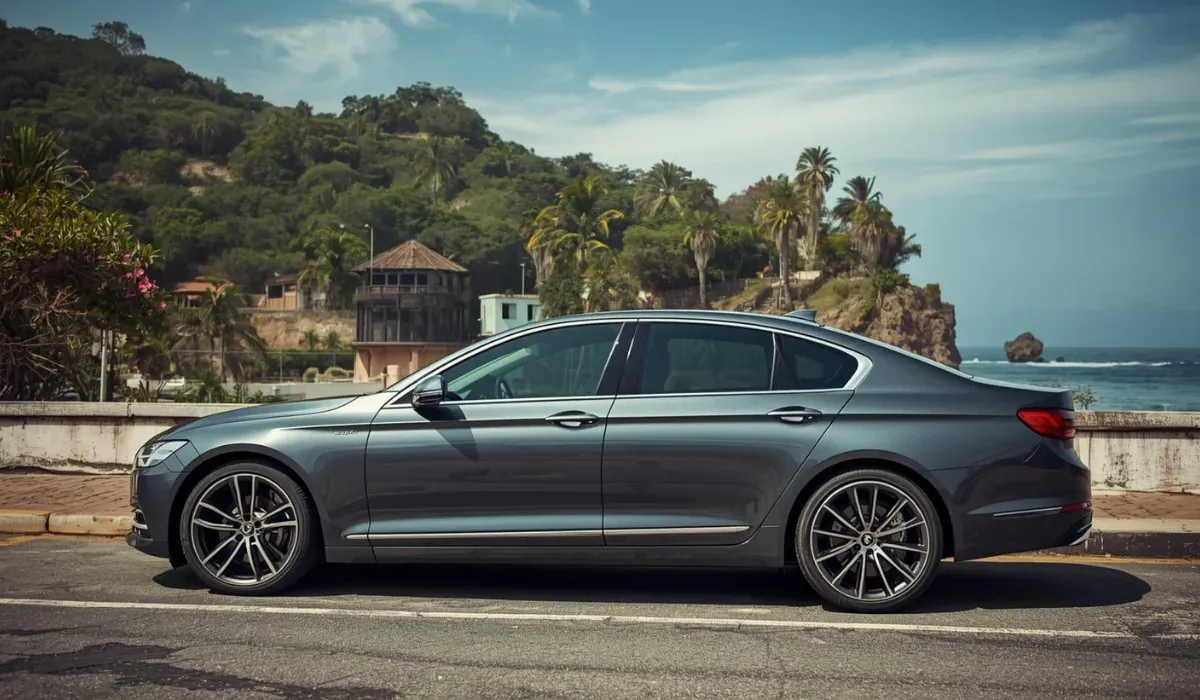
👉 When renting a car becomes the smarter choice: If you're visiting 3+ towns in 2 days, a rental car actually saves you money on accommodation (no need to stay overnight in every town) and gives you the flexibility to chase sunsets and early-morning volcano views.
Explore options like Carvi to optimize both time and costs.
When Renting a Car Can Actually Be Cheaper
You might think renting a car is always more expensive, but here's when it beats the bus:
Traveling in a group of 3–4 – Split $35–50/day four ways = $9–13 per person, comparable to shuttle prices but with total freedom
Visiting 4+ destinations in a week – The time savings alone justify the cost
Surfing or adventure travel – Pick-up trucks start at $60/day, perfect for carrying boards and gear
Hidden value: No waiting for buses, no schedule constraints, ability to stay in cheaper accommodation outside tourist centers
Gas prices in El Salvador (2026): Regular gasoline ranges from $3.59–$3.88 per gallon depending on region. El Salvador maintains the lowest fuel prices in Central America.
Daily Budget Traveling Cheap in El Salvador (2026)
Here's what a backpacker budget looks like for one person per day:
Expense | Backpacker Budget | Mid-Range Budget |
|---|---|---|
Transportation | $2–$5 | $10–$15 |
Accommodation (hostel dorm) | $6–$15 per night | $25–$40 (private room) |
Food (pupusas + local markets) | $6–$10 | $15–$25 |
Activities | $2–$5 (volcano entrances, etc.) | $10–$20 |
Total per day | $16–$35 | $60–$100 |
Real examples from travelers in 2026:
Private room in Santa Ana: $6 per person per night
Private room in San Salvador: $10 per person per night
Dorm in El Zonte (beach town): $15 per night
Two-week budget for two people (backpacker style): ~$1,186 total
Pupusas (El Salvador's national dish) cost just $0.50–$1 each, and three will fill you up for a delicious $3 meal. The country is consistently ranked as the most budget-friendly destination in Central America for backpackers.
Safety When Using Cheap Transport
Public buses are generally safe during daylight hours, but follow these rules:
✅ DO:
Take main, well-traveled bus routes
Travel only during daylight (5 AM to 7 PM)
Keep your backpack on your lap or between your feet
Have exact change ready
Sit near the driver if possible
❌ AVOID:
Late-night or overnight buses (very limited service anyway)
Displaying your phone, camera, or wallet openly
Traveling alone on isolated secondary roads
Sleeping on the bus with your bag unattended
When to choose safer options: If you're arriving after dark, carrying expensive camera gear, or traveling alone as a first-time visitor, spend the extra $15–20 on an Uber or tourist shuttle. The peace of mind is worth it.
How to Find Cheap Flights to El Salvador in 2026
El Salvador's international airport (SAL) is one of the most affordable airports to fly into in 2026:
Cheapest overseas destination overall: San Salvador, with average round-trip flights of $198 during December–March (dry season)
Skyscanner ranking: Second cheapest international destination for US travelers at $282 average round-trip, with flights as low as $35 in March
Cheapest day to fly: Wednesdays
Best time of day: Morning departures
Booking window: For September travel, book on a Thursday for the best deals
Pro tip: If you can travel in March, you'll find the absolute lowest fares—sometimes as little as $35 round-trip from US cities.
Is It Worth Renting a Car in El Salvador? (Honest Answer)
Pros:
Total freedom to explore at your own pace
Access remote beaches and mountain towns
Avoid crowded buses and unpredictable schedules
Safer than public transport at night
68% of tourists choose car rentals for independent exploration
Cons:
More expensive than buses (though splitting costs helps)
Need to navigate Salvadoran traffic (defensive driving is essential)
Parking can be tricky in busy towns like El Tunco
Fuel adds $5–$10 per day depending on distance
Ideal traveler profile for renting a car:
Traveling with 2+ people
Planning to visit 3+ destinations in 5–7 days
Want to photograph sunrise/sunset (impossible with bus schedules)
Surfers needing board transport
Experienced drivers comfortable with Central American road conditions
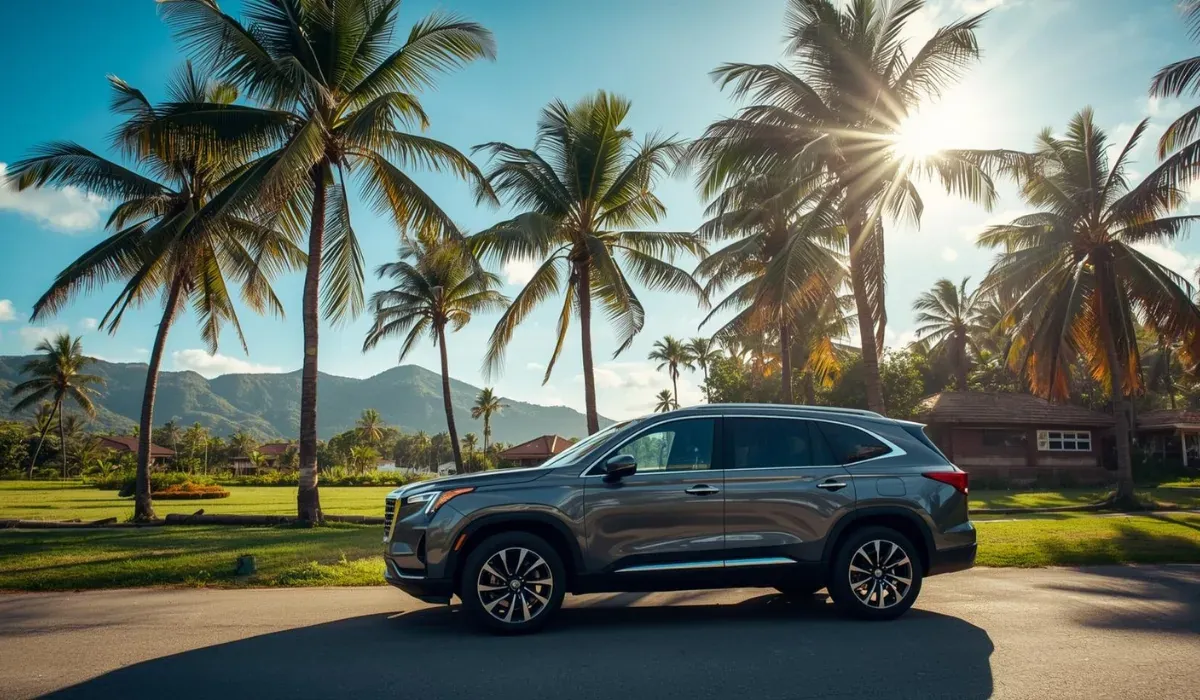
👉 Carvias an accessible option: Unlike traditional agencies that block $800–$5,000 on your credit card, Carvi offers a deposit-free rental experience through its peer-to-peer platform. Insurance is included in every booking, and you can arrange delivery directly to your hotel or the airport.
Check current deals and availability
Conclusion: The Best Strategy to Travel Cheap in El Salvador
Your ideal transportation strategy depends on your travel style, group size, and priorities:
🎒 Ultra Low-Cost (Backpacker) → Buses
Daily transport budget: $2–$5
Best for solo travelers, long-term backpackers, and anyone with more time than money
Stick to daylight hours, keep your belongings close, and embrace the authentic local experience
⚖️ Balanced Approach → Combine Modes
Daily transport budget: $8–$15
Use buses for long-distance routes, Uber for airport transfers, and occasional shuttles for tricky connections
Best for couples and small groups who want to save without sacrificing comfort
🚗 Optimized (Time & Convenience) → Rental Car
Daily transport budget (split 3–4 ways): $10–$20 + gas
Best for groups of 3–4, photographers, surfers, and anyone visiting multiple destinations in a short time
Platforms like Carvi make it affordable and deposit-free
No matter which option you choose, El Salvador remains one of the most affordable countries to explore in 2026. With frozen bus fares, cheap flights, and delicious $1 pupusas, your money will go further here than almost anywhere else in the Americas.
Ready to plan your trip? Start by comparing rental options with Carvi.
Prices and information are accurate as of April 2026. Bus fares are frozen by law until December 31, 2026. Always confirm current rates before traveling.
Escrito por