
Have you ever landed in a new country, exhausted after a long flight, only to face endless paperwork, hidden fees, and a massive deposit hold on your credit card just to rent a car? For decades, that was the reality of car rental in El Salvador. But the way people move around this beautiful Central American nation is changing fast.
Carsharing El Salvador is transforming the travel experience. Instead of dealing with traditional agencies, you can now access vehicles on-demand through digital platforms, often at lower prices and with greater flexibility. Whether you‘re a tourist planning to surf the waves at El Tunco, a business traveler with meetings in San Salvador, or a local needing a temporary vehicle, carsharing offers a modern, hassle‑free solution.
In this comprehensive guide, you’ll learn exactly what carsharing is, how it works in El Salvador, and how platforms like Carvi make it possible to book a car in just a few clicks—without the headaches of traditional rentals.
What Is Carsharing?
Carsharing is a mobility model where users can rent vehicles for short periods—often by the hour, day, or week—without the long‑term commitments or hidden costs of traditional car rental.
Definition of Carsharing
At its core, carsharing allows multiple users to access a shared fleet of vehicles when they need them, rather than owning a car individually. It’s designed for convenience, flexibility, and cost‑efficiency. You pay only for the time you actually use the vehicle, and the entire process is typically managed through a mobile app or website.
Carsharing vs. Traditional Car Rental
The differences between carsharing and traditional rentals go far beyond price.
Feature | Carsharing (e.g., Carvi) | Traditional Rental (e.g., Avis, Budget) |
|---|---|---|
Booking process | 100% digital, ~3 minutes | Hybrid/on‑site, often 30+ minutes |
Deposit required | None or low hold | $800 – $5,000 blocked on credit card |
Insurance | Basic coverage included | Optional, extra $15–$50/day |
Paperwork | Digital verification only | Physical forms, multiple documents |
Delivery location | Airport, hotel, home, office | Usually only airport or city office |
Minimum age | 21 years | 21–25 years (with surcharge for under‑25) |
Traditional rental companies—such as Avis, Budget, Alamo, Enterprise, Europcar, and Hertz—operate with their own fleets and physical counters, especially at El Salvador International Airport (SAL). While they offer reliability, the process is slower, more bureaucratic, and significantly more expensive once you add mandatory insurance and deposits. In fact, if a customer declines basic coverage, some agencies require a deposit of up to $3,000.
Peer‑to‑Peer (P2P) Carsharing Explained
The most innovative segment of carsharing is the peer‑to‑peer (P2P) model. Unlike traditional companies that own their fleets, P2P platforms connect private vehicle owners directly with people who need a car. Think of it as the “Airbnb of cars.”
For owners, it‘s a way to turn an idle asset into passive income. For renters, it means more vehicle choices, lower prices, and a more personal experience. This model is at the heart of how carsharing El Salvador is evolving.
How Carsharing Works in El Salvador
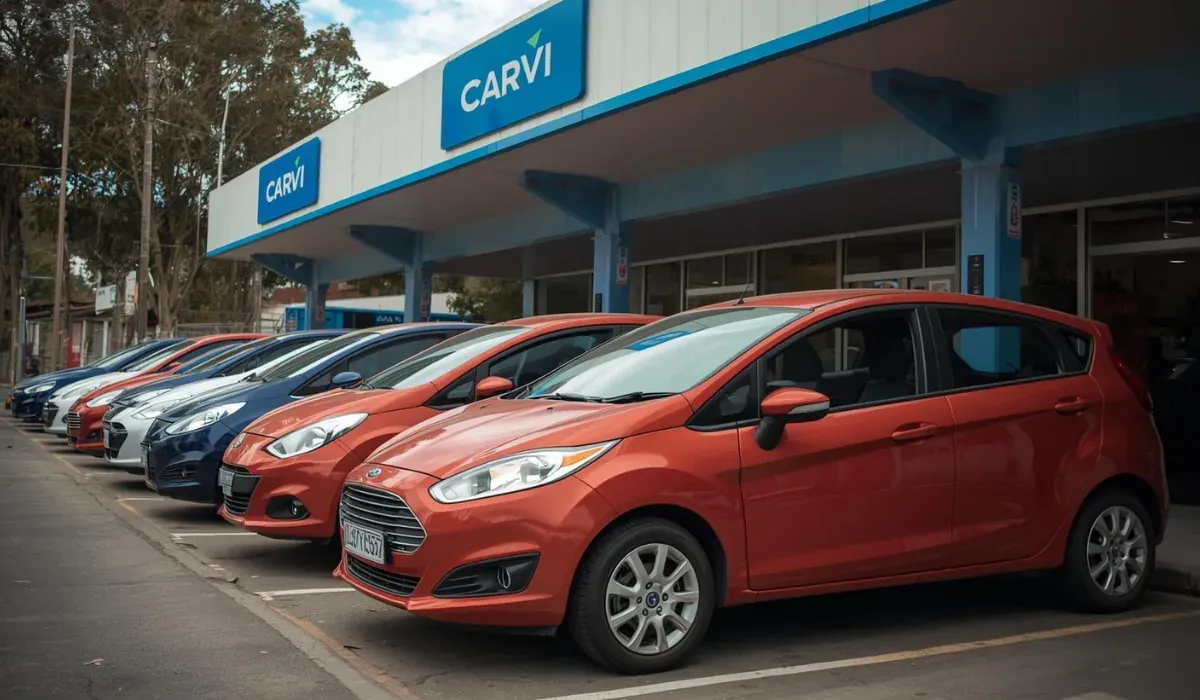
Using a carsharing platform in El Salvador is designed to be simple and fast. Here‘s the typical process.
Registration on Carsharing Platforms
First, you create an account on the platform. You‘ll need to provide basic personal information, verify your identity (often by uploading a photo of your driver’s license and passport or local ID), and set up a payment method. Verification is usually completed within minutes.
How to Book a Car Step by Step
Once registered, booking a car takes only a few minutes:
Search – Enter your pickup and return dates, location (airport, hotel, or home address), and vehicle type.
Choose – Browse available cars from verified owners, compare prices, and select the one that fits your needs.
Reserve – Confirm your booking online. The platform processes payment and provides all rental details.
Coordinate – Contact the vehicle owner directly to arrange a convenient pickup time and place.
Drive – Inspect the car, sign the digital contract, and hit the road.
Driving Requirements in El Salvador
Before you drive, make sure you meet these basic legal requirements:
Valid driver‘s license: Tourists can drive with their foreign license for up to 90 days.
Minimum age: 18 years old to drive legally, but rental platforms typically require drivers to be at least 21 (and sometimes 25 for larger vehicles).
Identification: Carry your passport or local ID at all times. A copy of your rental contract is also recommended for police checks.
Road conditions in El Salvador vary from well‑paved highways to rural unpaved roads. Speed limits are 40–50 km/h in urban areas and 80–100 km/h on highways. Seat belts are mandatory for all passengers, and driving under the influence is strictly enforced (0.05% BAC limit).
Carvi: The Easiest Way to Start Carsharing in El Salvador 🚗
If you‘re looking for a simple and reliable way to access carsharing services, Carvi offers a modern solution designed for both locals and travelers. Carvi is a Salvadoran technology platform founded in 2017 that operates under the peer‑to‑peer (P2P) model—often called the “Airbnb of cars.”
What Is Carvi?
Carvi is not a traditional rental agency. It’s a 100% digital platform that connects people who need a vehicle directly with local owners who are willing to rent out their cars. The entire process—from search and booking to payment and document management—is handled through their website or mobile app.
Unlike global giants, Carvi is designed with a human, local approach, leveraging AI and secure payment systems like Stripe to automate and streamline car rentals. This Salvadoran startup is already gaining attention as a rising star in Latin American mobility tech.
Benefits of Using Carvi
Carvi offers several distinct advantages over traditional car rental:
Fast and easy online booking: The entire reservation process takes about 3 minutes. No phone calls, no waiting in lines.
No large security deposits: Unlike agencies that can block $800 to $5,000 on your credit card, Carvi requires no upfront deposit or only a minimal authorization.
Transparent, all‑inclusive pricing: The price you see includes the base rate, basic insurance, airport fees, and unlimited mileage on most categories.
Flexible delivery: You can arrange pickup and drop‑off at the airport, your hotel, your Airbnb, or even your home—on your schedule.
Wide vehicle selection: From compact cars like the Kia Rio (from $30/day) to SUVs and pickups like the Nissan Frontier 2025 (from $55/day).
24/7 roadside assistance: Included with every rental.
Support for both hosts and renters: Owners can earn passive income by listing their cars; renters get more choices and better prices.
How to Get Started with Carvi
Getting started with Carvi is incredibly simple:
Create an account on their website or download the Carvi app. Registration is free and takes only a few minutes.
Verify your identity by uploading a photo of your valid driver‘s license and your passport (for tourists) or DUI (for residents). All verification is digital—no need to visit an office.
Browse available cars in your desired location and dates. Filter by vehicle type, price, and owner ratings.
Book your car online with a secure payment. Your booking confirmation is sent immediately.
Coordinate pickup directly with the vehicle owner. You can meet at the airport arrivals hall, your hotel lobby, or any other agreed location.
Inspect and sign the digital contract when you receive the car. Then you‘re ready to drive.
Return the car at the agreed time and place. The owner inspects the vehicle, and the rental closes digitally.
Carvi also offers delivery right at El Salvador International Airport (SAL) , so you can start your adventure as soon as you land—no shuttles, no queues, no paperwork.
Advantages of Carsharing vs. Traditional Car Rental
Carsharing is becoming increasingly popular in El Salvador because it solves many of the frustrations travelers face with traditional agencies. Here‘s a side‑by‑side comparison based on real market data.
Aspect | Carsharing (Carvi) | Traditional Rental (Avis, Budget, Enterprise, etc.) |
|---|---|---|
Booking process | 100% digital, ~3 minutes | Hybrid/on‑site, often 30+ minutes |
Deposit required | None or minimal hold | $800 – $5,000 blocked on credit card |
Insurance | Basic coverage included (deductible $500) | Optional, $15–$50/day extra |
Price transparency | All‑inclusive price shown upfront | Base price often excludes insurance, taxes, fees |
Paperwork | Digital ID & license upload | Physical forms, multiple documents, credit card imprint |
Delivery locations | Airport, hotel, home, office | Usually airport or city office only |
Minimum age | 21 years (25 for some vehicles) | 21–25 years with surcharge for under‑25 |
Cancellation policy | Flexible, often free cancellation available | Strict, often non‑refundable |
Vehicle selection | Varied (owner‑provided) | Standardized fleet |
Support | 24/7 digital support + owner assistance | Office hours only |
Key takeaway: While traditional rentals offer brand recognition and physical counters, carsharing platforms like Carvi deliver lower upfront costs, greater transparency, and unmatched convenience—especially for tourists who want to maximize their time exploring El Salvador.
Is Carsharing Safe in El Salvador?
Safety is a top concern for any traveler renting a vehicle. Modern carsharing platforms include multiple layers of protection to ensure a secure experience.
Verified Users and Vehicles
Platforms like Carvi verify both renters and vehicle owners. Renters must upload a valid driver‘s license and government ID, which are checked digitally before any booking is confirmed. Owners are also vetted, and vehicles must meet safety and maintenance standards.
Insurance Coverage
Every Carvi rental includes basic insurance. Coverage ranges from $599 up to $50,000 for damages. In the event of an accident, the renter is responsible for a fixed deductible of $500—far lower than the potential liability of driving without coverage from a traditional agency, which could leave you responsible for the full value of the vehicle.
Roadside assistance is also included 24/7, so help is just a phone call away if you have a flat tire, dead battery, or other issue.
Transparent Booking Systems
Because the entire process is digital, everything is documented—from the booking confirmation to the vehicle inspection photos you take at pickup and return. This transparency reduces disputes and protects both parties.
User Ratings and Reviews
Just like Airbnb or Uber, carsharing platforms include rating systems. You can see a vehicle owner’s history, read reviews from previous renters, and make an informed decision. Owners can also see your profile, creating mutual accountability.
Tips for a Safe Rental Experience
Inspect the vehicle thoroughly at pickup and take photos of any existing damage.
Read the insurance terms carefully before booking.
Keep a copy of your rental contract and ID in the car at all times.
Drive defensively and avoid nighttime driving on unfamiliar rural roads.
Use Waze or Google Maps for navigation; both work reliably in El Salvador.
Alternatives to Carsharing in El Salvador
While carsharing is growing rapidly, other transportation options remain available. Depending on your budget, itinerary, and preferences, you might consider:
Traditional Car Rental Companies
Major international brands operate at El Salvador International Airport (SAL) and in San Salvador:
Avis – Counters at SAL and urban locations. Known for customer service. Hours: 6 AM – 10 PM daily.
Budget – Popular for competitive rates and long‑term rentals.
Enterprise – Extensive network within the country, ideal for multi‑destination trips.
Alamo, National, Hertz, Dollar, Thrifty, Europcar – Also available at the airport.
Average daily rate: Around $35–$50 for an economy car, but expect to add $15–$50 per day for insurance and a $800–$5,000 deposit hold.
Ride‑Hailing Apps (Uber, etc.)
Uber operates in San Salvador and other major cities. It‘s cheaper for short trips (e.g., $3–$6 within the city) but becomes expensive for long distances (e.g., $25–$40 from San Salvador to El Tunco beach). Availability drops significantly outside urban areas.
Best for: Short city trips or getting to/from the airport without a car.
Public Transportation
El Salvador has a network of buses that connect most towns and cities. However, routes can be confusing for tourists, schedules are unreliable, and buses can be crowded and uncomfortable. For exploring remote beaches or mountain towns, public transport is not recommended.
Best for: Budget travelers with flexible itineraries and local knowledge.
Taxis
Taxis are available at the airport and in cities. Always negotiate the fare before getting in, as meters are uncommon. For longer trips, taxis can be expensive and may not be readily available in rural areas.
Best for: Short, local trips when Uber isn‘t available.
Final Thoughts: Is Carsharing Worth It in El Salvador?
Carsharing is not just a trend—it‘s a genuine solution to the pain points that have frustrated travelers in El Salvador for years. The numbers speak for themselves: the shared vehicles market in El Salvador grew at a compound annual growth rate (CAGR) of 107% from 2020 to 2024, with a remarkable growth rate of 89.38% in 2024 alone. This is a thriving, rapidly expanding market, driven by increasing smartphone penetration, urbanization, and a growing awareness of flexible mobility options.
For travelers, the benefits are clear:
Save money – No large deposits, transparent all‑inclusive pricing, and insurance included.
Save time – Book in minutes, skip the rental counter, and get your car delivered to you.
Gain freedom – Explore El Salvador at your own pace, from the Ruta de las Flores to the surfing beaches of La Libertad, without relying on tour buses or expensive taxis.
Reduce stress – Digital paperwork, verified users, and 24/7 support mean fewer surprises.
For locals, carsharing offers an opportunity to earn passive income by renting out a car that would otherwise sit parked. It‘s a win‑win model that aligns with the sharing economy reshaping transportation worldwide.
Is Carsharing Right for You?
Choose carsharing (Carvi) if you… | Choose traditional rental if you… |
|---|---|
Want to avoid large deposits and hidden fees | Prefer a physical counter and brand name |
Value a fast, digital booking process | Don‘t mind paperwork and waiting |
Need flexible delivery (airport, hotel, home) | Are okay picking up only at an office |
Are a tourist exploring multiple destinations | Are staying in one city and using taxis/Uber |
Travel with family or a group | Travel solo and only need short trips |
Carsharing El Salvador is a modern, efficient, and increasingly popular way to get around. Platforms like Carvi are making this model more accessible every day—offering the freedom of the open road without the traditional headaches.
So, whether you‘re planning a surf trip to El Zonte, a coffee tour in the mountains of Apaneca, or a business trip to San Salvador, carsharing gives you the keys to explore on your own terms.
Book Your Car with Carvi Today 🚀
Ready to move around El Salvador with total freedom? You can start using a modern and flexible carsharing platform right away.
👉 Visit Carvi’s official website or download the Carvi app to search for available cars, compare prices, and book your vehicle in minutes. No deposits. No paperwork. Just the open road.
Sources and Further Reading
This guide is based on research from the following sources:
6Wresearch Market Reports – El Salvador Car Sharing Market (2025–2031) and El Salvador Shared Vehicles Market (2025–2031) – Data on market growth, segmentation, and trends.
Carvi official blog – Information on the platform‘s technology, P2P model, and vision.
Carrentalelsalvador.com – Detailed comparisons, pricing guides, and step‑by‑step booking instructions for Carvi.
Avis El Salvador – Official rental terms, deposit requirements, and age policies.
MyCircleSV – Driving regulations, safety tips, and cost comparisons between rental cars and Uber.
Skyscanner – Airport rental provider listings and average daily rates.
Disclaimer: Some information about Carvi’s specific pricing, insurance terms, and operational details comes from third‑party affiliate sites and the Carvi blog. While every effort has been made to ensure accuracy, always verify current rates, insurance coverage, and policies directly on Carvi’s official website before booking.
Enjoy your journey through El Salvador—and drive safely! 🇸🇻🚗
Escrito por